
Editorial
Why Positive Thinking Doesn't Stick, and What to Do Instead
You've probably experienced this. You read an inspiring book, decide to think more positively, and feel great about it for a day or two. Then, almost without noticing, you slip right back into the same old worries, habits, and patterns, and get the same old results.
Why does that happen? And what can we do about it?
Those are the questions at the heart of The Thought Exchange by David Friedman, now available in a 20th Anniversary Edition. Two decades after Friedman first introduced his approach, this expanded edition brings together everything he has learned from twenty years of practicing and teaching it.
The book begins with a familiar idea. With the popularity of books like The Secret, many people have embraced the notion that what we think shapes what we see and experience in the world. But if that's true, Friedman asks, why is it so hard to hold on to the thoughts we actually want? Why do we adopt a hopeful new thought, only to find ourselves back where we started days later?
Friedman's answer is what he believes is the missing piece. Most of us try to change our lives by simply adding positive thoughts on top of everything else. But underneath, we may still be holding onto deeper beliefs we're not even aware of, older thoughts about what's possible, what we deserve, or what's safe. Those underlying thoughts can quietly overpower our good intentions. The Thought Exchange offers a way to identify the thoughts we're actually thinking, exchange them for new ones, and learn how to stay with those new thoughts long enough to create meaningful change. An important part of his approach involves paying attention to the uncomfortable feelings and sensations that can arise when we try to think in new ways, rather than running from them.
There's something here that resonates with a lot of modern psychology. Many therapeutic approaches recognize that lasting change usually requires more than willpower or positive affirmations. It often involves becoming aware of automatic thoughts and deeply held beliefs, noticing how they affect our emotions and behavior, and learning to tolerate discomfort as we practice new patterns. Friedman arrived at his own approach through personal experience and years of teaching, and he presents it in a warm, accessible, and practical way.
What makes this anniversary edition special is its reflective quality. Friedman looks back on his own Thought Exchange journey over the past two decades and shares the profound shifts it has brought to his understanding of life, his goals, and himself. The new edition also includes a chapter on the COVID-19 pandemic, a period that tested everyone's ability to cope with fear and uncertainty, along with tips, insights, and lessons drawn from twenty years of practice. At more than 500 pages, it's a rich, comprehensive resource.
Friedman is also an award-winning composer and conductor whose career has spanned Broadway, Disney films, and recordings with artists including Diana Ross, Barry Manilow, and Nancy LaMott. His creative life and his teaching are deeply connected, and his writing carries the warmth and humor of someone who has spent a lifetime connecting with audiences.
Whether you're a longtime student of Thought Exchange or discovering it for the first time, this edition offers guidance and encouragement on the journey toward discovering and empowering your true self.
The Thought Exchange: 20th Anniversary Edition by David Friedman is available now in paperback and hardcover.
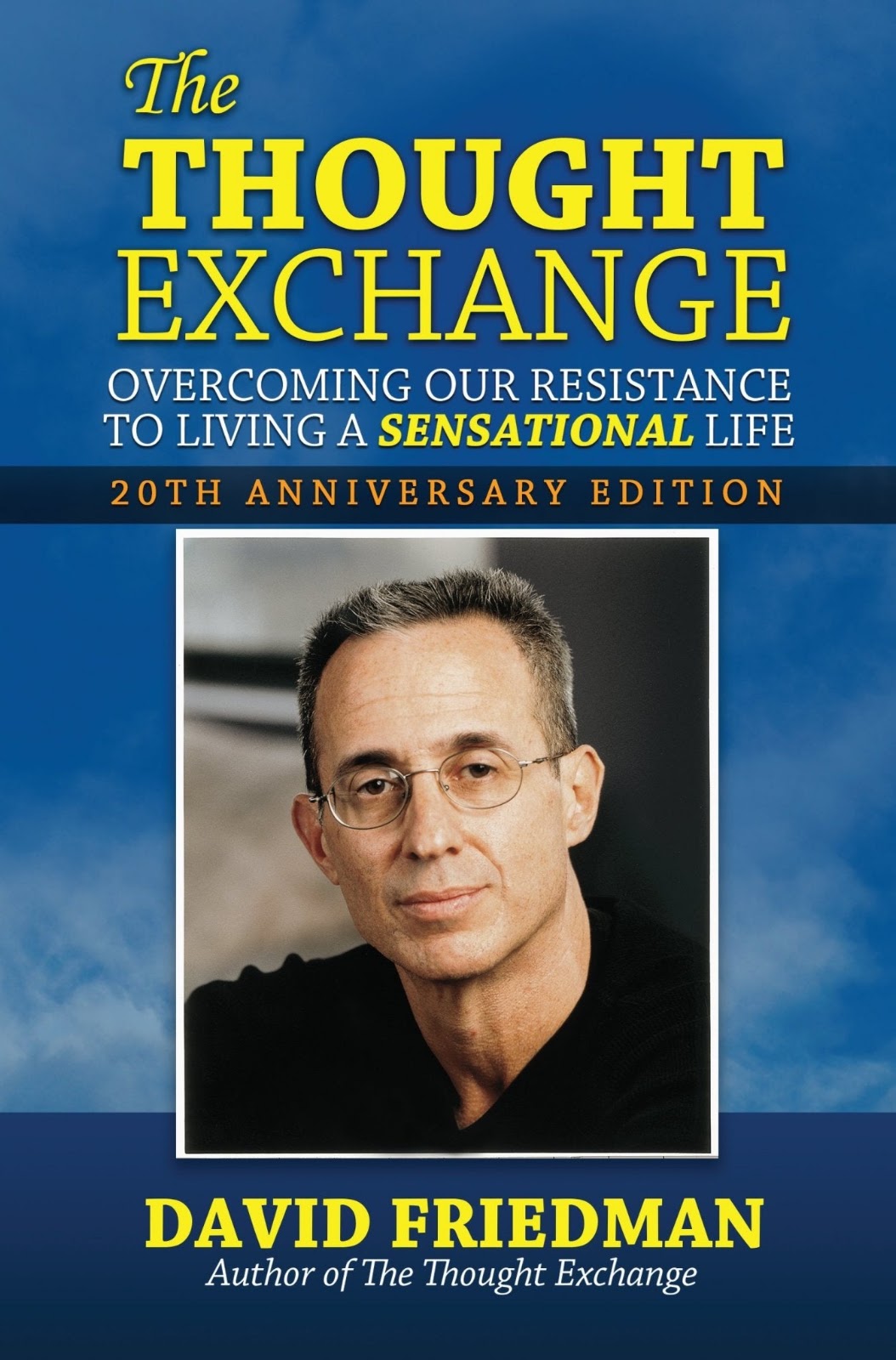
The Thought Exchange - 20th Anniversary Edition
by David Friedman
With the proliferation of books like "The Secret," we now know that what we think appears in the world as what we see there.


