Editorial
Why We Reread Books We Already Know the Ending To

You know how it ends. You know who falls in love, who survives, who turns out to be the villain. And yet there you are again, curled up with the same well-worn book, turning the pages as eagerly as the first time.
If you're a rereader, you're in good company. Plenty of people return to favorite books again and again, and some feel a little guilty about it, as if they should be tackling the towering stack of unread books instead. But rereading isn't a waste of time. It may be one of the most rewarding ways to read.
The first time we read a story, much of our attention goes to one question: what happens next? We're racing through the plot, tracking characters, and trying to figure out where it's all going. On a second or third reading, that pressure disappears. Freed from suspense, we can slow down and notice things we missed the first time: the foreshadowing hidden in an early chapter, the rhythm of a beautiful sentence, the way a line of dialogue lands differently once we know what becomes of the character who says it. Rereading lets us enjoy not just what happens, but how it happens.
Researchers have taken an interest in this experience. Consumer researchers Cristel Russell and Sidney Levy, for example, studied people who deliberately return to the same books, films, and places. They found that revisiting something familiar isn't simple repetition. People often notice new details, relive emotions, and, perhaps most interestingly, reflect on how they themselves have changed since the last time. The book stays the same. The reader doesn't.
That's one of the quiet gifts of rereading. A novel you loved at sixteen reads differently at thirty, and differently again at fifty. A character you once admired might frustrate you now, or one you dismissed might suddenly break your heart. In that way, the books we return to become a kind of mirror, showing us who we were and who we've become.
There's also a simpler, more comforting reason we reread. When life feels unpredictable, returning to a familiar story can be deeply soothing. You know the ending. You know it's going to be okay. That certainty is a small gift in a world full of uncertainty. It's no wonder comfort reading often increases during stressful times: after a breakup, during an illness, after a move to a new city, or during difficult stretches in the news. A beloved book is like an old friend who doesn't need you to explain yourself.
Ask any reader which book they've reread most, and you'll learn something about them. Some return to Pride and Prejudice for the wit. Others revisit The Lord of the Rings for the world. Many go back to childhood favorites like Charlotte's Web or A Wrinkle in Time, chasing a feeling they're not sure adults are still allowed to have. The books we reread aren't always the ones critics call great. They're the ones that made us feel something specific, something we want to feel again. They're bookmarks in our own lives, reminding us where we were when we first read them.
Some books are practically made for rereading. Collections of short, self-contained stories, like David Friedman's How They Met, a gathering of real stories about how couples found each other, invite readers to dip in again and again, revisiting favorite moments whenever they need a little dose of hope or delight.
So if you've ever felt guilty for picking up an old favorite instead of something new, let that guilt go. Reading isn't a productivity contest. The book that keeps calling you back is doing something a new release can't: proving that some stories stay with us, even as everything else changes.
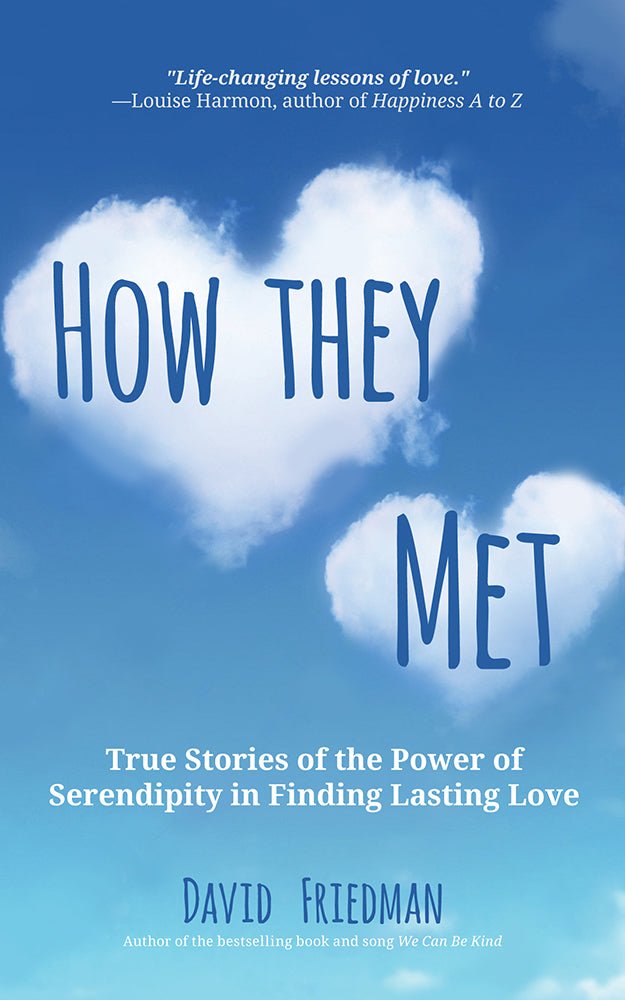
How They Met: Real Stories of True Love and the Power of Serendipity
by David Friedman
You never know when it might happen: love might be right around the corner, down the block, or across the aisle from you on your next flight.


