
Author Interview
An Unfiltered Look at Love, Addiction, and Recovery: An Interview with Melissa Stoeltje

For more than three decades, Melissa Fletcher Stoeltje made her living telling other people's stories as a newspaper journalist. In her memoir Drunk Love: Marriage Under the Influence, she finally tells her own: a raw, funny, and deeply honest account of high-functioning alcoholism, its impact on her marriage and family, and the long road to sobriety. We talked with her about writing the book and what she hopes readers take from it.
The book was born in rehab. "I actually got the idea while I was still in rehab in 2010," Stoeltje says. "I started journaling during my first week of a 28-day stay, hoping to wrest some kind of sense or meaning from the insanity unfolding around me." After she left, she decided to document everything that happened during her first year of sobriety, both to frame the story and to keep its scope manageable. "It was truly a year from hell," she says, "and heaven."
One of the most important messages of her book is aimed at people who, like her, might not think their drinking "counts." In recovery meetings, she remembers listening to stories of weekend-long benders, DUIs, and jail time and thinking she didn't belong. "But the fact was, I had damn near destroyed my marriage with my drinking, and I had hurt my beloved only child with my drunken behavior," she says. Her insight is one she hopes readers will carry with them: "You don't have to take the elevator all the way to the basement to claim your chair in recovery." If her story helps even one high-functioning drinker find recovery sooner than she did, she says, the pain of writing it will have been worth it.
That idea of high-functioning addiction is an important one. Many people who struggle with alcohol keep their jobs, raise their families, and appear to have everything under control. Because their lives don't look like the stereotypes, they, and the people around them, may not recognize the problem until serious damage has been done. Stoeltje's candor helps pull back the curtain on that hidden struggle.
Writing so honestly about her own life, and about the people closest to her, required a firm commitment to the truth. She points to advice from the acclaimed memoirist Mary Karr, who has said that anyone attempting memoir must make a pact to tell the truth about themselves and those close to them, warts and all. "If you're writing to make yourself look good, that's self-hagiography," Stoeltje says. "Shame is a corrosive emotion, and I want no part of it." At its core, she says, the book is about finding remission from a fatal and progressive disease.
Some chapters were especially painful to revisit, particularly those describing moments when her drinking hurt her son, Sam. Even with the distance of time and recovery, she says, those passages still floor her. "That's the disease of alcoholism," she explains. "It tries to convince the sufferer she doesn't have it."
Storytelling, it turns out, is central to recovery itself. "We share our stories in meetings, and that's how we find healing," she says. But writing memoir required her to change the habits of a lifetime. Journalism, she notes, is rooted in "telling" the facts, while memoir depends on "showing," bringing scenes and emotions to life on the page. Making that shift took real effort, and some pain.
If there's one message she wants readers to take away from Drunk Love, it's simple: there is hope.
If you or someone you love is struggling with alcohol, the SAMHSA National Helpline (1-800-662-4357) offers free, confidential support 24 hours a day.
Drunk Love: Marriage Under the Influence by Melissa Fletcher Stoeltje is available now in paperback and hardcover.
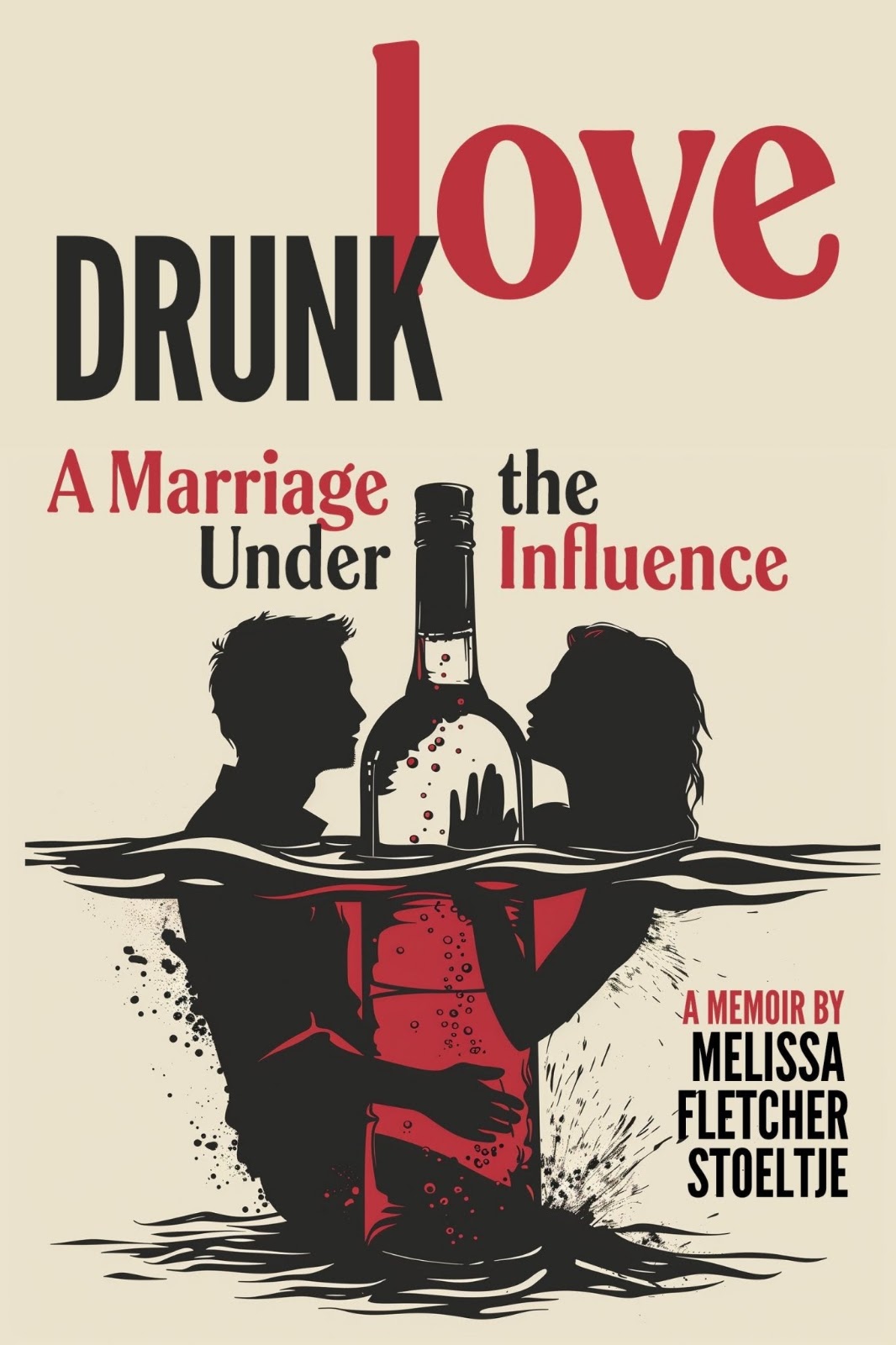
Drunk Love: Marriage Under the Influence
by Melissa Fletcher Stoeltje
Melissa Fletcher Stoeltje never planned to be the life of the party, but somewhere along the way, alcohol became her nightly companion.

