
Editorial
Teaching Kids to Talk About Feelings: Why It Starts With Stories
A child throws a tantrum at a birthday party. Another goes silent for days after the family dog dies. A third suddenly refuses to go to school. To the adults around them, these moments can look like bad behavior or stubbornness. Very often, they're something else: big feelings that a child simply doesn't have the words to express.
Learning to identify and talk about emotions, often called emotional literacy, is one of the most important skills children develop. And one of the best tools for teaching it has been sitting on bookshelves all along.
Researchers and educators have increasingly recognized how much emotional skills matter. At the Yale Center for Emotional Intelligence, psychologist Marc Brackett and his colleagues developed an approach called RULER, now used in schools across the country, built on a simple idea: children need to be able to recognize and name their feelings in order to understand and manage them. When kids have words for what's happening inside them, like frustrated, disappointed, nervous, jealous, or lonely, they're better able to communicate, calm themselves, and ask for help. Emotional skills have been linked to stronger relationships and better outcomes in school and beyond.
So why are books such powerful tools for building those skills? Because you can't sit a four-year-old down and lecture them about emotional regulation. But you can read them a story about a character who feels sad, scared, or angry, and watch them make connections. Stories do several things at once. They give children language for feelings they may not have been able to name. They show that those feelings are normal, that other people, even characters in books, feel them too. And they model ways of coping, whether that's talking to a trusted adult, taking a deep breath, or finding comfort in family.
Just as importantly, a book lets a child experience a difficult emotion from a safe distance. They're not in the middle of the feeling themselves. They're watching a character navigate it. That distance can make hard emotions much easier to explore and talk about.
The real magic often happens in the conversation after the story. Try asking, "How do you think the character felt?" and then, "Have you ever felt that way? What did you do?" Reassure your child that all feelings are okay, even the uncomfortable ones, and that what matters is what we do with them. You might wonder together what the character could do next time, or what your child could try when they feel that way. And don't rush to fix everything. Sometimes the most meaningful moment comes in the quiet after the book closes, when a child finally says, "That happened to me once."
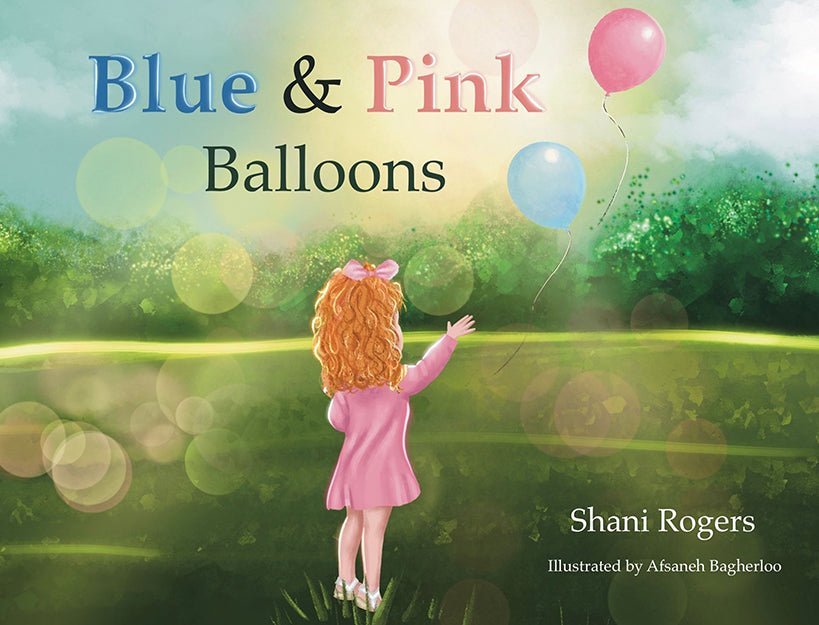
Books are especially valuable when a family is facing something truly difficult, like a loss. Shani Rogers's picture book Blue and Pink Balloons, for example, tells the story of a four-year-old girl who is excited to become a big sister, and then has to make sense of her family's pregnancy loss. The story gently acknowledges her confusion and sadness without overwhelming young readers, and it reminds children that the love in their family remains strong even in hard times. For parents searching for the right words, a book like this can be a gentle starting point for a conversation that feels impossible to begin.
Whether you're a parent, a teacher, or a school counselor, building a small library of books about feelings is one of the most meaningful gifts you can give the children in your life. Read together, talk together, and let the stories open the door. You might be surprised by what kids are ready to say.
Blue and Pink Balloons - A Childs Journey through Joy, Loss, and Healing
by Shani Rogers
Discover the heartfelt tale of hope, anticipation, loss, and love in Shani Rogers' moving children's book, " Blue and Pink Balloons ." This delicately penned story seen through the

