
Editorial
Can a Book Actually Help You Heal? What Research Says About Bibliotherapy
Almost every reader has had this experience. You're going through a hard time, and a book finds you at exactly the right moment. A character faces something similar to what you're facing. A single sentence puts words to a feeling you couldn't name. You close the book feeling a little less alone, and a little more able to keep going.
That experience has a name: bibliotherapy, the use of books to support emotional healing and well-being. The idea is older than many people realize. The term is usually traced to a 1916 magazine essay by the American writer and minister Samuel McChord Crothers, and during World War I, librarians brought books to hospitals serving wounded soldiers, believing reading could help them recover in body and spirit. Today, bibliotherapy takes many forms, from therapists recommending specific books to clients, to libraries running reading programs for mental health, to readers quietly choosing books that help them through difficult seasons.
Does it actually work? Research suggests that, in certain forms, it can. Studies of guided self-help, in which people work through structured books based on established approaches like cognitive behavioral therapy, have found that they can help reduce symptoms of mild to moderate depression and anxiety for some people, particularly when paired with some professional support. Books aren't a replacement for professional care, especially for serious mental health conditions. But they can be a meaningful part of the picture.
Why do books help? Part of the answer lies in the power of story. Well-meaning advice often bounces off us. A friend says, "Be kinder to yourself," and we nod, and nothing changes. But when we watch a character learn to be kinder to themselves, something can shift. Stories let us see our own struggles from a slight distance, which can make them easier to understand. We're not being told what to do. We're watching someone else figure it out, and recognizing ourselves in the process.
Books also offer validation and language. Discovering that someone else has felt exactly what you feel can be a profound relief. It tells you that your experience is real and shared. And reading about emotions and struggles gives us words to describe our own, which makes it easier to talk to friends, family, or a professional.
Finally, books offer hope. The right book doesn't necessarily solve a problem, but it can make the problem feel solvable, or at least survivable. Sometimes that's exactly what we need to take the next step.
If you'd like to use books to support your own well-being, a few simple tips can help. Choose books that feel relevant to what you're going through, whether that's a memoir by someone who faced a similar challenge, a novel that explores a feeling you recognize, or a practical guide grounded in reputable approaches. Read slowly, and give yourself time to reflect. Try writing down passages that resonate, or journaling about what they bring up. Consider sharing a meaningful book with a friend or support group and talking about it together. And remember that if you're struggling with something serious, reaching out to a doctor, counselor, or crisis line is always a good idea. Books can accompany that help, not replace it.
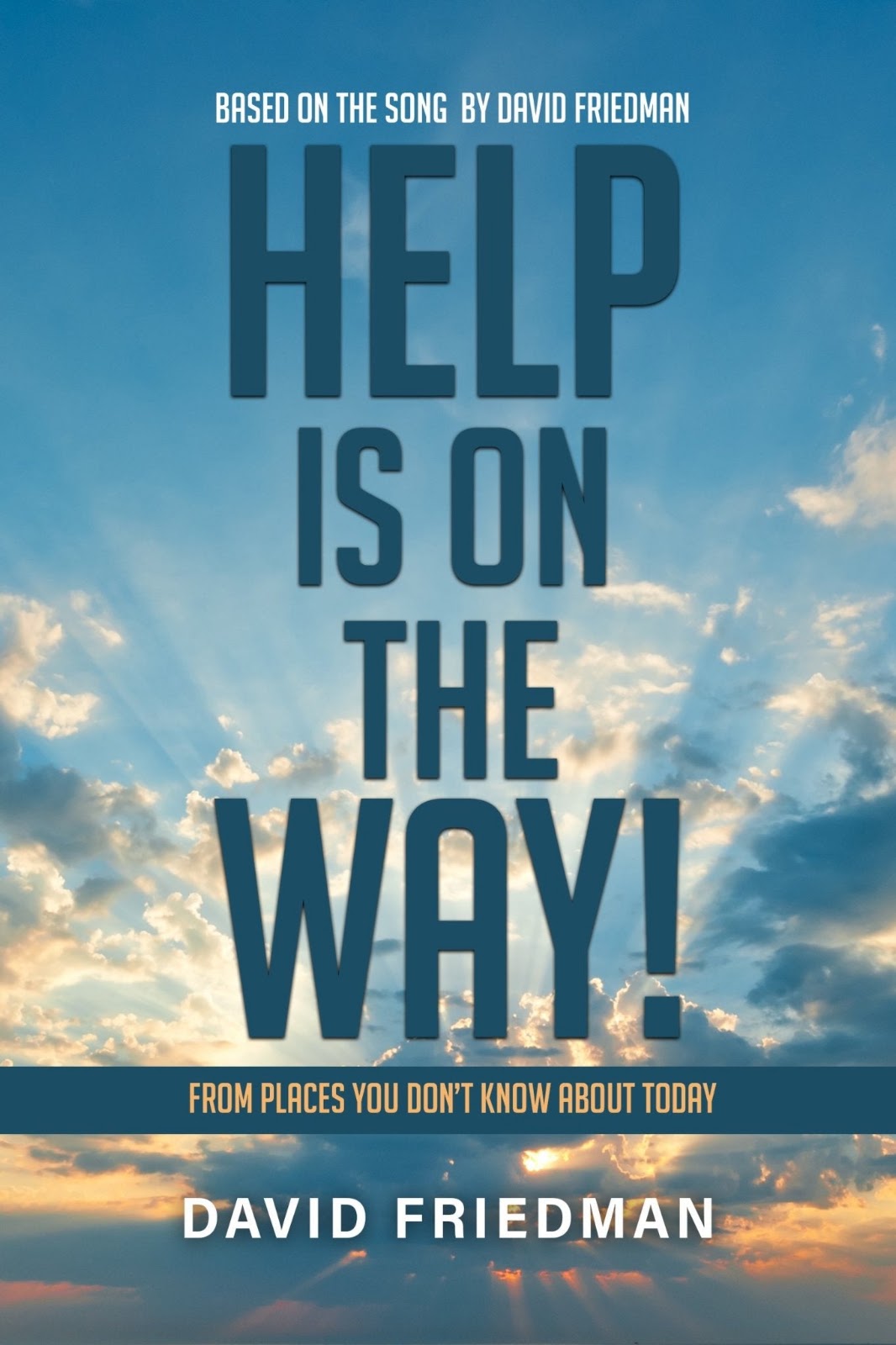
Some books are written specifically to offer comfort and hope. David Friedman's Help Is on the Way grew out of a song he wrote in 1990 in response to the AIDS crisis. First sung by Nancy LaMott, the song became the theme song for Broadway Cares/Equity Fights AIDS. In the book, each chapter takes its title from a line of the song and offers stories, reflections, and practical encouragement for anyone facing a problem that seems to have no answer. Its message is simple: there are always answers, and they often arrive in ways we don't expect.
Whether you're in a hard season right now or simply love the way books can change us, it's worth remembering that the right story, at the right time, can be a powerful companion.
If you are in crisis, please call or text 988 in the U.S. to reach the Suicide and Crisis Lifeline.
Help is on the Way
by David Friedman
In today’s complex and challenging world, we often find ourselves facing problems for which there seem to be no answers.

