
Editorial
If You Could Turn Anything Into Wine, What Would You Choose?
What's the first thing you'd ferment if you could turn anything into wine? A basket of ripe apricots? The mint taking over your garden? A few pomegranates from the grocery store? A handful of dates?
That playful question is the heart of the expanded second edition of Beyond Grapes: How to Make Wine Out of Anything But Grapes by Yacov Morad, founder and chief winemaker at Morad Winery in Israel. This new edition, nearly twice the length of the original, brings his distinctive approach to a new generation of home winemakers and curious food lovers.
Morad's big idea is simple: grapes are wonderful, but they're only the beginning. His recipes show readers how to make wine from raspberries, pears, coconut, dates, onions, papaya, apricots, pomegranates, carrots, potatoes, mint, dill, and even parsley. There are also liqueurs made from pineapple, honey, lychee, mango, chocolate, and chamomile. The result is an adventure in flavor that turns the kitchen into a laboratory.
What makes the book so approachable is its structure. Every recipe follows a similar formula. Once you've learned it, you have a blueprint for designing your own wine or liqueur from almost any fruit, vegetable, or herb. It's a little like learning the rules of cooking rather than memorizing individual dishes. Master the method, and you can improvise with confidence.
If you're new to the craft, here's a quick look at the difference between the two main kinds of drinks in the book. Wine is made through fermentation, in which yeast feeds on sugar and turns it into alcohol and carbon dioxide over days and weeks. Liqueurs are usually made differently. Instead of fermenting the ingredient, you typically start with a spirit and infuse it with flavor by steeping fruit, herbs, spices, or other ingredients in it, a process often called maceration, then sweeten it to taste. That's why liqueurs can capture such intense, concentrated flavors, and why they're so fun to experiment with. Understanding both processes gives home makers a much wider range of possibilities.
Home fermentation also teaches patience and observation, two skills that are surprisingly satisfying to develop. You learn to watch for signs of active fermentation, taste as the flavors evolve, and judge when a batch is ready. Every bottle becomes a small experiment, and sometimes the surprises turn out to be the best part.
The book is written for the enthusiastic oenophile, the home brewer ready for a new challenge, and anyone who loves exploring new flavors. It's also a natural companion for gardeners and farmers market regulars, who often find themselves with more fresh produce than they can eat. Rather than letting a bumper crop go to waste, why not turn it into something to share?
Homemade wines and liqueurs make memorable gifts and unforgettable dinner-party conversation pieces. Imagine the look on your friends' faces when you tell them the lovely glass they're sipping started life as a carrot.
Whether you're discovering Morad's approach for the first time or returning to it, this second edition is an inviting, hands-on guide to a craft with thousands of years of history and endless room for creativity. And, as always, please enjoy your creations responsibly.
Beyond Grapes: How to Make Wine Out of Anything But Grapes (2nd Edition) by Yacov Morad is available now in paperback and hardcover.
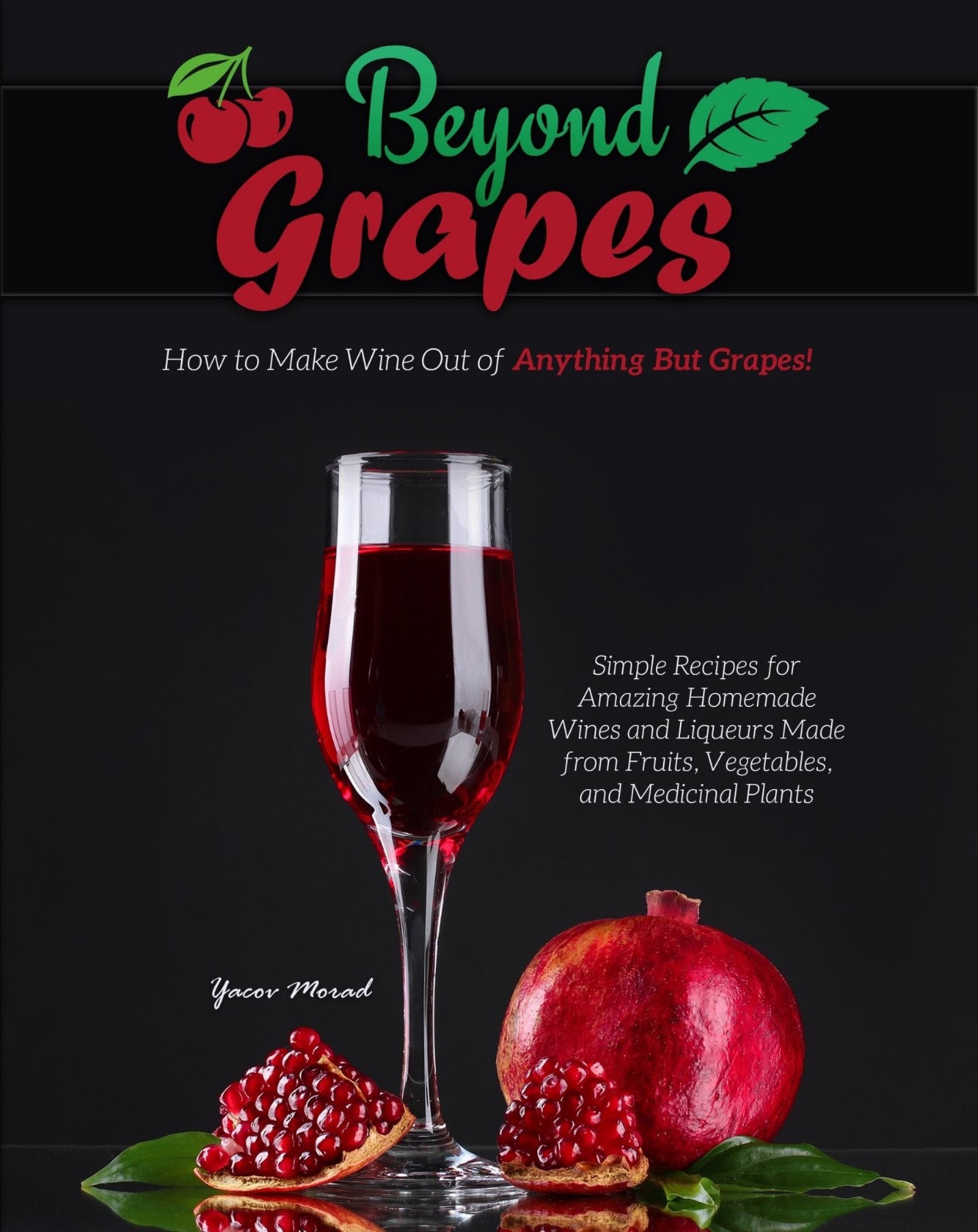
Beyond Grapes: How to Make Wine Out of Anything But Grapes (2nd Edition)
by Yacov Morad
If you think that all fine wines start on a grapevine, you are in for a delightful, eye-opening, tantalizing surprise.


